
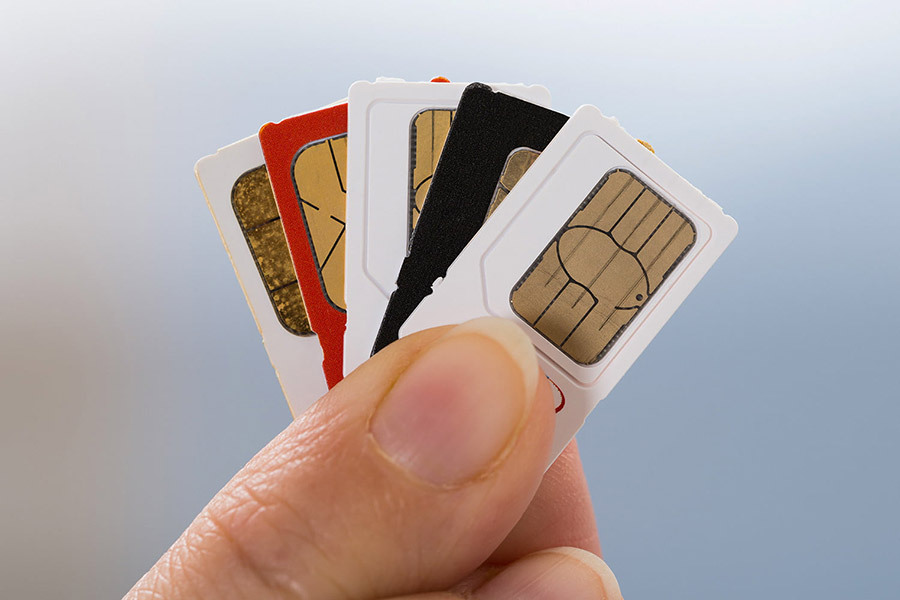
In a world dominated by smartphones, tablets, and wearables, one component quietly ensures that these devices stay connected and functional across the globe: the SIM card (Subscriber Identity Module). While we may rarely think about this small, often overlooked chip, the SIM card plays a crucial role in making modern mobile communication possible.
In this article, we’ll dive into the fascinating world of SIM cards, their function, how they work, and how they continue to evolve in the ever-changing world of mobile technology.
What Exactly is a SIM Card?
At its core, a SIM card is a small, removable chip that is inserted into mobile phones and other devices to provide them with access to a cellular network. It holds important information that identifies the user to the mobile carrier’s network, allowing the device to make calls, send messages, and access data services.
The SIM card holds essential information such as:
- Subscriber information: This includes your phone number, account information, and network-specific data that links you to your carrier.
- Authentication data: The SIM card stores encryption keys to authenticate your device on the network.
- Network data: It helps your device connect to the proper mobile network, including enabling you to access voice, text, and data services.
In short, the SIM card is the digital passport that lets your mobile device communicate with your network and stay connected to the rest of the world.
A Journey Through the Evolution of SIM Cards
The SIM card has come a long way since its inception. Introduced in the early 1990s with the GSM (Global System for Mobile Communications) network, SIM cards initially served as a way to identify and authenticate users, enabling them to securely access mobile services. At first, SIM cards were bulky and large in size, but as mobile phones became smaller and more powerful, SIM cards followed suit and evolved.
Here’s a brief look at the evolution of SIM cards:
-
Standard SIM: The original SIM card, measuring 25mm x 15mm, was the first iteration. It was relatively large compared to today’s standards and used primarily in early mobile phones. These larger SIM cards allowed for easy swapping and upgrading between devices.
-
Micro SIM: As mobile devices began shrinking, the need for smaller SIM cards became apparent. The micro SIM was introduced and measured 15mm x 12mm. This size became popular with many smartphones as the market moved toward sleeker, more compact devices.
-
Nano SIM: The nano SIM measures just 12.3mm x 8.8mm and is the smallest SIM card available today. The compact nature of the nano SIM makes it the standard for most modern smartphones, allowing manufacturers to design ultra-thin devices while maintaining connectivity.
-
eSIM: The latest innovation in SIM card technology is the eSIM, an embedded SIM card that is permanently integrated into a device’s hardware. This new technology allows users to switch networks and activate plans remotely, eliminating the need for a physical SIM card altogether. The eSIM is expected to become the standard for future smartphones, wearables, and other connected devices.
How SIM Cards Work
SIM cards are responsible for ensuring that mobile devices can connect to cellular networks, and their inner workings are quite sophisticated. Here’s how a SIM card facilitates communication:
-
Identification and Authentication: When you insert your SIM card into a phone and turn it on, your device sends a signal to the mobile network. The SIM card contains a unique identifier called the IMSI (International Mobile Subscriber Identity). The network checks this identifier and verifies whether you are authorized to use the services.
-
Connection to Network: Once the SIM card is authenticated, it allows the device to connect to the network. It enables the phone to make voice calls, send text messages, and access mobile data by communicating with nearby base stations (cell towers). The SIM card essentially acts as a bridge between your phone and the carrier's network infrastructure.
-
Security and Encryption: SIM cards are equipped with encryption technology that ensures the privacy and security of communications. They store encryption keys that prevent unauthorized parties from intercepting or tampering with calls, text messages, or data transmissions.
-
Roaming: Another key feature of 攜號轉台 s is roaming, which allows users to stay connected when traveling internationally. By swapping out your SIM card with a local one, you can access more affordable data and voice services in foreign countries, ensuring that your device remains connected to the internet and your contacts.
The Benefits of SIM Cards
Despite their small size, SIM cards offer a range of benefits that have made them indispensable to modern communication. Here are some of the key advantages:
-
Flexibility: One of the primary benefits of SIM cards is their portability. By simply swapping out your SIM card, you can move your phone number, contacts, and plan to a new device. This makes upgrading your phone or using a backup device a hassle-free experience. Additionally, SIM cards allow users to easily change carriers or switch between plans as needed.
-
Global Accessibility: SIM cards facilitate global connectivity. When traveling abroad, you can easily replace your home SIM card with a local one to enjoy more affordable roaming rates. This eliminates the need to rely on expensive international roaming charges while ensuring you stay connected in different countries.
-
Dual SIM Capability: Many modern smartphones support dual SIM functionality, allowing users to insert two SIM cards into the same device. This is ideal for people who want to keep personal and work numbers separate, or for frequent travelers who wish to maintain both a local and home-based mobile number.
-
Enhanced Security: SIM cards are designed to keep your data secure. They use encryption to protect communication between your phone and the network, ensuring that private information is not intercepted. In addition, if your phone is lost or stolen, the PIN code feature on your SIM card prevents unauthorized access.
The Rise of eSIM and What It Means for the Future
The future of SIM cards is changing with the introduction of eSIM technology. Unlike traditional SIM cards, eSIMs are embedded directly into a device, meaning there’s no need for a physical card to be inserted or swapped out. This has a range of benefits:
- Remote Activation: eSIMs allow users to activate and switch between mobile plans digitally, without the need for a physical SIM card. This feature makes it easier for users to switch carriers or activate a new plan, especially when traveling abroad.
- Space Efficiency: Since eSIMs don’t require a physical slot, device manufacturers can save space in their designs, leading to more compact, slim devices.
- Multiple Profiles: eSIMs allow users to store multiple carrier profiles on a single device. This is particularly useful for people who travel frequently and need to switch between different carrier networks in various countries.
As more devices, including smartphones, tablets, wearables, and IoT devices, adopt eSIM technology, the traditional SIM card may eventually become obsolete. However, eSIMs still have some challenges to overcome in terms of widespread adoption, such as compatibility issues and the need for carrier support.
Conclusion
While the SIM card may seem like a small, inconspicuous piece of technology, it has a profound impact on how we connect with the world. From providing secure access to cellular networks to enabling seamless communication across the globe, SIM cards are the unsung heroes of mobile connectivity.
With the rise of eSIM technology and advancements in mobile communication, the role of SIM cards will continue to evolve, but their core purpose remains the same: to enable secure, reliable, and flexible communication. As technology advances, the humble SIM card will undoubtedly continue to play a vital role in keeping us connected in an increasingly digital world.