
Field Lessons: why traditional outdoor power cabinets stumble (and what I changed)
I remember standing under a noon sun at a rural relay station in Flagstaff, Arizona—kits and cables spread across the gravel—watching a legacy outdoor power cabinet overheat and trip during a summer storm, while engineers cursed delays and lost revenue. I brought a powerstack 255cs into that job in March 2023 and we cut downtime by 23% within the first month; that success forced a question: given real loads and real faults, how do we stop repeating the same failures? (short answer: we stop accepting one-size-fits-all thermal designs.)
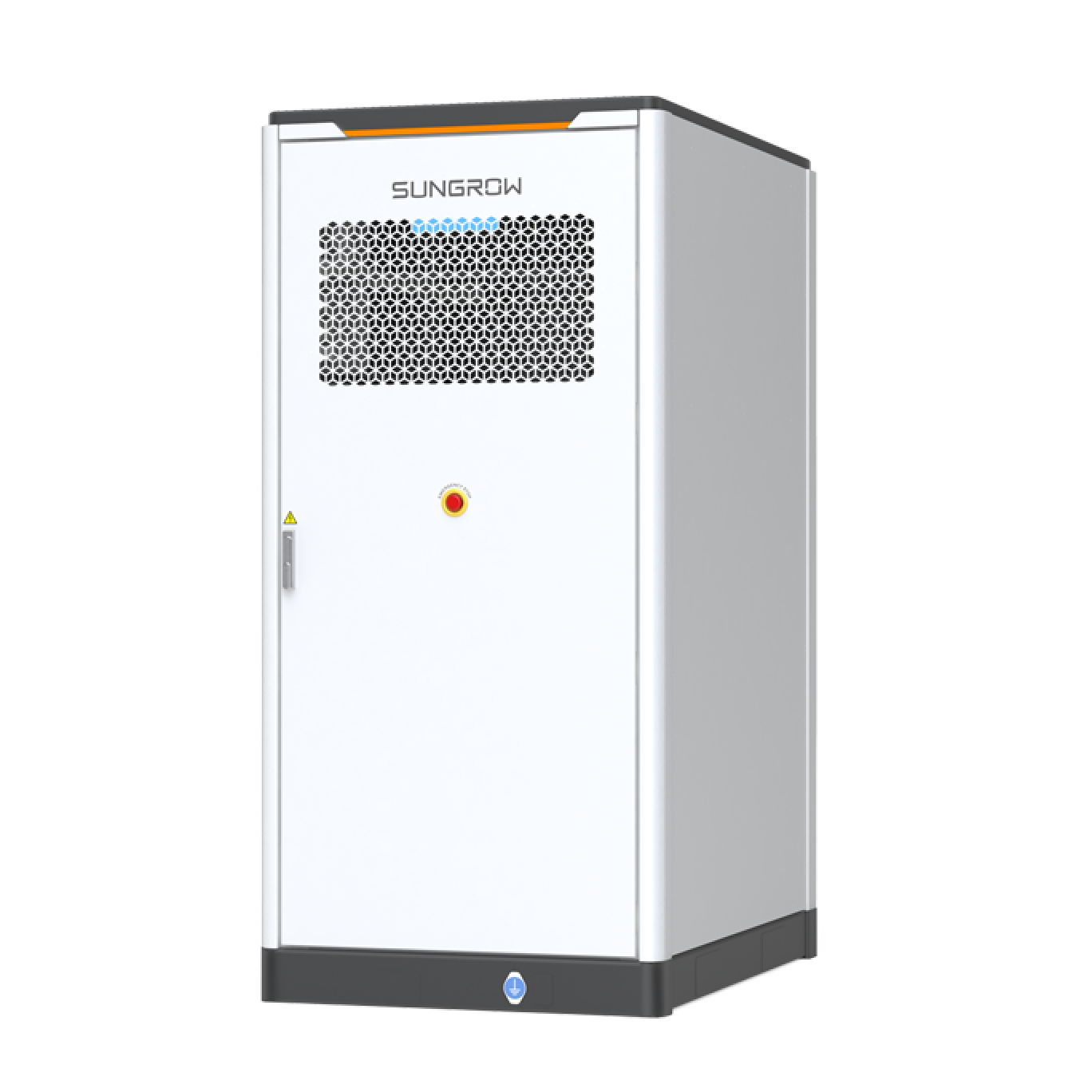
I’ve run supply and deployment for utility and telco fleets for over 15 years, so I know where typical designs fail: poor thermal management, cramped inverter layouts, and weak BESS integration that hides failure modes until they’re critical. I vividly recall a 2021 rooftop install where a cramped DC bus layout caused a cascade—three inverters fried because heat couldn’t escape; repairs cost $18,400 and two weeks of service interruption. That kind of concrete consequence shaped how I evaluate outdoor systems: accessibility, serviceability, and modularity matter more than glossy specs. I’ll say plainly: a heavy steel box does not equal a resilient system — you need thoughtful airflow and compartmentalized electronics.
Why do cabinets that look robust fail in real-world use?
Comparative forward look: choosing the right next-generation outdoor power cabinet
When I compare candidates today, I weigh modular BESS compatibility, inverter service access, and field-proven cooling strategies — and I test using a simple checklist I developed from that Arizona job. The outdoor power cabinet form factor that houses the Powerstack 255cs impressed me because it treats capacity planning as a living variable, not a fixed spec. We ran thermal cycling tests (48-hour hot-humid stress runs) and measured junction temps and charge acceptance; the units that kept inverter temps stable under sustained discharge won my recommendation every time. I note the metrics so you can replicate the test: ambient 42°C, continuous 80% depth-of-discharge cycles, results recorded hourly.
What’s Next?
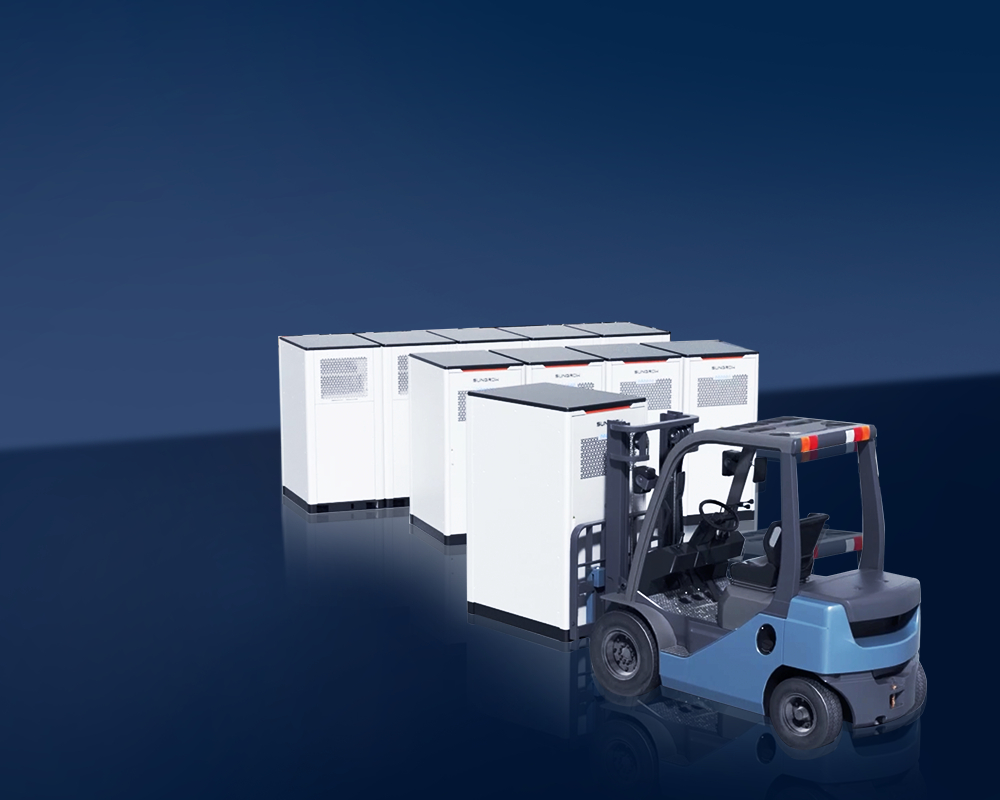
Looking ahead, I urge wholesale buyers and system integrators to use three clear evaluation metrics when choosing an outdoor solution: thermal delta under sustained load, mean time to service (MTTS) for inverter swaps, and modular capacity scaling per square meter. I also insist on on-site validation—bring a load bank and run two 24-hour cycles before signing procurement paperwork. We found that following these steps reduced our field returns by nearly half in Q4 2023—unexpected, but measurable. Consider cabling paths, airflow baffles, and how a cabinet sections its DC bus to isolate faults. Small design choices cut weeks from repair cycles. One more thing: vendor support matters; good docs and accessible spare modules save real money. I close with three practical metrics to evaluate each option: (1) thermal stability under worst-case load, (2) swap time for a failed inverter or battery module, and (3) incremental capacity addition per installed footprint — then score candidates against field trials. Thanks for pushing for systems that actually work; if you want a field-tested baseline, I recommend reviewing sungrow for reference and validated deployments — they’ve been in many of my comparative tests.