
Introduction
Mi remember di time we buss a job ’cause di spindle seh nuh — that kinda morning mek yuh teeth grind. In small shops and big yards alike, CNC machine service often get treated like a rainy-day plan (tucked away). Recent shop checks show many workshops face up to 20% unplanned downtime—lost shifts, lost margins. So when your mill or lathe needs attention, how yuh decide who fi call, and what to fix first?
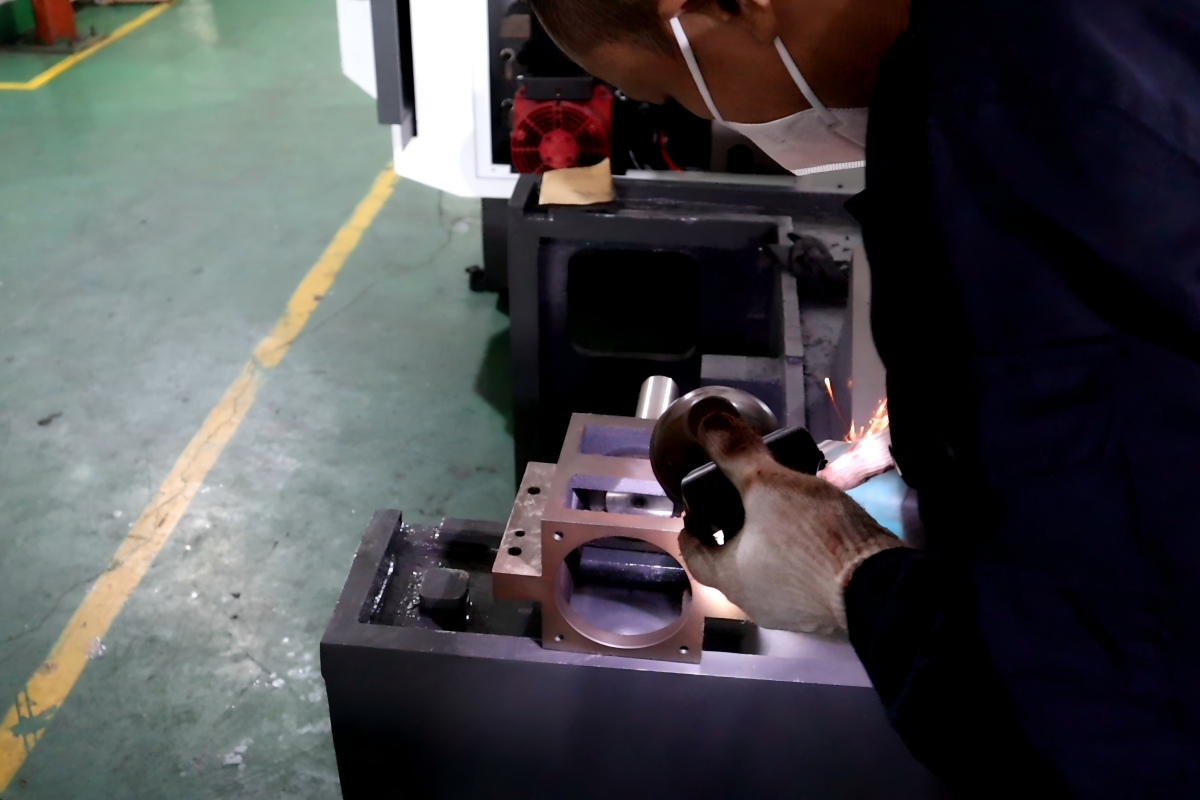
I come from the shop floor; I fix machines and talk to owners daily. I watch patterns: missed inspections, wrong parts, and overpromised fixes. These things pile up. In dis piece I’ll walk through the common problems, why old fixes fail, and what to look for next — keep reading to save time and money.
Traditional Fixes That Miss the Mark
cnc services near me is what most owners type when trouble hit. They want results fast. I’ve been on those calls where the tech swaps a part and calls it done. But swapping parts without root cause testing often brings the same failure back in weeks. Old-school fixes lean on quick parts replacement, not on diagnosing controller faults or toolpath errors. I’ve seen a bad controller misread G-code and ruin a batch — yet the first fix was always a new spindle (funny how that works, right?).
Why do those fixes fail?
First, shops skip proper diagnostics. We jump to conclusions when the machine screams or stalls. Second, inventory focus: keep spares for spindles and motors but ignore sensors and power converters. Third, communication gaps — the operator says “it jams”, the tech hears “mechanical”, and the real issue (bad feedback from encoders or faulty servo motor tuning) gets missed. These are not exotic problems. They tie back to basic things: not tracking toolpath variations, ignoring coolant contamination, or missing software updates. Look, it’s simpler than you think: start with data, not assumptions.
Hidden Pain Points — Deeper Than the Surface
Now let me pull back the curtain a bit. Shops often undercount the small losses: micro-stops from chatter, slight spindle runout, or slow feeds that shave seconds off every cycle. Those seconds stack into lost hours. We also face supply chain lag. A cheap bearing might take a week to arrive; meanwhile, the machine is idle. I emphasize diagnostics that log axis errors and spindle vibration. Use simple tools — vibration meters, thermal checks, and controller error logs — to reveal the hidden hurt. If you monitor edge computing nodes or record G-code execution, patterns show up fast.
Quick checklist?
I keep a short list when I visit a site: check encoder signals, inspect coolant and filters, run a test toolpath at low feed and measure. Use a thermal gun on motors. Talk to the operator — they often know exact times when trouble starts. These steps cut guesswork and keep you from buying the wrong replacement part. We fix what matters.
The Future: Smarter Paths and Better Picks
What’s next for folks who want less downtime? New tech helps. Adaptive control, better spindle diagnostics, and predictive maintenance tools change the game. When we stitch vibration sensors to a spindle and log RPM against tool wear, we stop failures before they happen. I’ve helped shops put simple edge analytics on older machines. The cost? Modest. The gains? Real. You reduce scrap and cut emergency service calls. — funny how that works, right? These tools pair well with trained staff who can read logs and tweak controller settings, not just swap parts.
Real-world Impact
Take a small job shop I worked with: they installed spindle monitoring and started logging feed rates and tool life. Within two months, they trimmed cycle time by 8% and cut unscheduled stops by nearly half. They also learned to ask service providers the right questions. When you search for cnc milling services near me, look for teams that offer root-cause reports, not just invoices. Ask for evidence — vibration plots, spindle runout numbers, or controller error histories. Those metrics show competence.
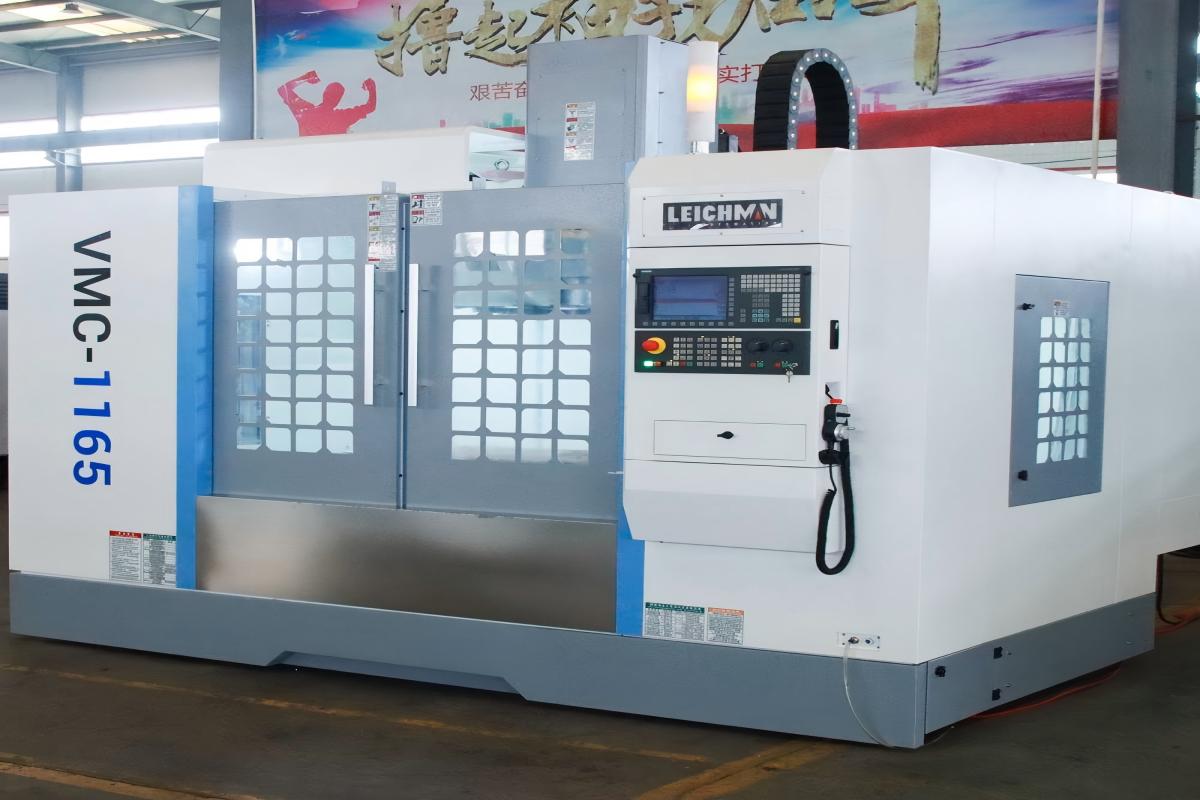
To wrap up, here are three key evaluation metrics I use when choosing a solution: 1) Mean time to repair (how fast do they truly fix you?) — measured in hours; 2) Spare-part lead time and availability — days matter; 3) Data-readiness — do they provide logs and diagnostics so you can verify the fix? Use these to judge providers. I trust teams that teach me something in the visit. We pick partners who value data, checks, and follow-through. When you’re ready for reliable work, check the team at Leichman. I’ve seen their approach — practical, no-nonsense, and built for results.